It is time to start planning your move to Alaska. Whether you are relocating for work, military service, retirement, family, or simply a new adventure, there is a lot to think about before moving day arrives.
Many people moving to Alaska focus on finding a home and arranging transportation, but packing deserves just as much attention. Creating a complete packing list well in advance can help you avoid unnecessary expenses, delays, and surprises during your move.
One of the biggest questions people ask when relocating to Alaska is what they can bring with them and what should be left behind. Some items are restricted because of transportation regulations. Others may be prohibited when crossing international borders if you are driving through Canada.
Before loading your moving container or starting the drive north, here is what you need to know.
What Is It Like Moving to Alaska?
Moving to Alaska is unlike moving anywhere else in the United States. The state is larger than Texas, California, and Montana combined, yet it has a population of fewer than one million people.
Many new residents are attracted by the natural beauty, outdoor recreation, and unique lifestyle. Alaska offers incredible opportunities for fishing, hunting, hiking, boating, camping, and wildlife viewing. It is also home to strong communities that often depend on neighbors helping neighbors.
Life in Alaska can take some adjustment. Winters are longer than most people are used to, especially if you are coming from a southern state. Daylight hours change dramatically throughout the year, with some communities experiencing very short winter days and nearly endless daylight during parts of the summer.
The cost of living can also be higher than many newcomers expect. Groceries, household goods, and services may cost more because many products must be shipped long distances. Planning your budget before moving can make the transition much easier.
What You Need to Know Before Packing
Gas Powered Equipment
Vehicles and equipment that contain gasoline must generally be nearly empty before transportation.
This includes:
- Cars
- Motorcycles
- ATVs
- Snowmachines
- Riding lawn mowers
- Weed trimmers
- Generators
If you are shipping a vehicle to Alaska, your transport company will provide specific fuel requirements. Many people remember to drain fuel from their car but forget about small engines stored in garages and sheds. Even a small amount of fuel can create problems during transport.
Plants
Many moving companies will not transport live plants in moving containers. If you plan to bring plants with you, check Alaska regulations before your move.
Some plant species are restricted because of concerns about invasive pests and diseases. Contact the Alaska Division of Agriculture before transporting plants into the state.
Animal Products and Wildlife Trophies
Items made from endangered or protected species may not be legal to transport into Alaska.
Examples include:
- Ivory
- Certain animal skins
- Protected furs
- Tortoise shell products
Even if the item was legally obtained years ago, regulations may have changed. Verify the legality of any wildlife products before moving.
Food
In most cases, it is easier to leave perishable food behind and restock once you arrive.
If you are driving to Alaska through Canada, there may be restrictions on certain food products at the border. Fresh fruits, vegetables, meats, and agricultural products are the most common items that create issues for travelers.
Healthcare Planning
One thing many people forget when moving to Alaska is healthcare planning.
Research doctors, dentists, specialists, and pharmacies before you move. Depending on where you are relocating, some providers may have waiting lists for new patients.
Larger communities such as Anchorage, Fairbanks, and Juneau generally offer more healthcare options than smaller towns and villages.
Pets
Your pets can absolutely move to Alaska with you.
Whether you are driving, flying, or taking the Alaska Marine Highway ferry system, most pets can travel safely with proper preparation.
You will typically need:
- A recent health certificate
- Vaccination records
- Travel documentation required by your airline or transportation provider
Requirements vary, so check with your carrier well before your departure date.
Hazardous Materials
Most moving companies prohibit hazardous materials.
Common examples include:
- Aerosol cans
- Paint
- Paint thinner
- Cleaning chemicals
- Propane tanks
- Gasoline
- Motor oil
- Insecticides
- Matches
- Lighters
- Pressurized containers
Although these products are legal to own in Alaska, they cannot typically be transported in household shipments.
Firearms
Many people moving to Alaska plan to bring firearms for hunting, sport shooting, or personal protection.
However, transporting firearms can become complicated when traveling through Canada.
Handguns face some of the strictest restrictions and often cannot be legally transported through Canada by private individuals. In many cases, owners choose to ship firearms through licensed dealers or specialized transportation services.
Rifles and shotguns are generally easier to transport, but travelers must comply with Canadian regulations and border declaration requirements.
Always research current regulations before beginning your trip.
Moving to Alaska From Washington, Oregon, and the Pacific Northwest
For many people, moving to Alaska from Washington or Oregon is one of the easiest transitions in the country. Residents of the Pacific Northwest are already familiar with cooler temperatures, rain, mountain landscapes, and an outdoor focused lifestyle.
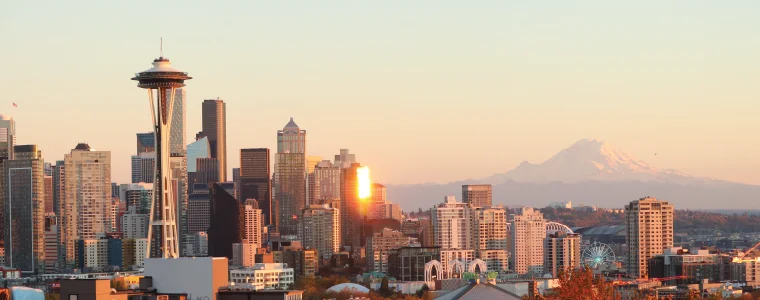
Many Alaska transplants come from the Seattle area because of strong economic ties, direct flights, and ferry connections between the Pacific Northwest and Alaska. In fact, Seattle has long served as a major gateway for travel, shipping, and commerce between Alaska and the Lower 48.
While the climates share some similarities, Alaska still presents a few adjustments. Winters are generally longer, daylight changes are more dramatic, and many communities are far more remote than cities like Seattle, Portland, Tacoma, or Spokane.
People moving from Washington to Alaska and moving from Oregon to Alaska are often surprised by the higher cost of certain goods and services. Since many products must be shipped long distances, groceries, household items, and construction materials can cost more than they do in the Pacific Northwest.
One advantage for Pacific Northwest residents is the shorter moving distance compared to people relocating from other regions of the country. Shipping household goods, transporting vehicles, and arranging travel is often simpler and more affordable from Seattle and other West Coast cities than from the Midwest, South, or East Coast.
If you are moving from Seattle to Alaska, you may find that the outdoor lifestyle feels familiar. Activities such as hiking, fishing, boating, camping, and wildlife viewing are a major part of everyday life for many Alaska residents. The biggest adjustment is often learning to navigate Alaska’s longer winters, seasonal daylight changes, and more remote communities.
Moving to Alaska From California
California remains one of the most common states people move from when relocating to Alaska.
Many Californians are drawn to Alaska because of the outdoor lifestyle, lower population density, and opportunities for adventure.
The biggest adjustment is usually the weather. Winter temperatures can be dramatically colder than what most Californians are used to. Seasonal daylight changes can also take time to adapt to.
People moving from California should also prepare for longer travel times when visiting friends and family in the Lower 48.
Moving to Alaska From Texas
Moving from Texas to Alaska often means adapting to an entirely different climate.
While Texans are accustomed to hot summers and mild winters, Alaska offers cooler temperatures and significantly longer winters.
Many Texans are surprised by how much daylight Alaska receives during the summer months. Depending on where you live, the sun may remain visible well into the evening or barely set at all.
Housing, transportation, and grocery costs may also differ from what you are used to in Texas.
Moving to Alaska From Florida
Florida and Alaska could hardly be more different.
People moving from Florida often experience the largest climate adjustment of any newcomers. Humidity gives way to dry air, palm trees are replaced by mountains and forests, and snow becomes a regular part of life.
If you are moving from Florida to Alaska, invest in quality winter clothing and learn basic winter driving skills before your first snowfall.
Moving to Alaska From the Midwest
People relocating from states such as Minnesota, Wisconsin, Michigan, Iowa, and Illinois are often more comfortable with winter weather than those coming from warmer climates.
However, Alaska still offers unique challenges. Distances between communities can be much greater, and services that are readily available in the Midwest may require more planning in remote areas.
Many Midwesterners find Alaska’s outdoor recreation opportunities and strong sense of community appealing.
Moving to Alaska From the East Coast
Moving from the East Coast to Alaska often means leaving behind large population centers and extensive transportation networks.
Life in Alaska tends to move at a different pace. Traffic is lighter, outdoor activities play a larger role in daily life, and many residents spend weekends exploring nature rather than navigating crowded cities.
East Coast residents should prepare for longer travel distances when returning home for holidays and family visits.
Driving to Alaska: What to Expect
Many people choose to drive to Alaska rather than ship their vehicle.
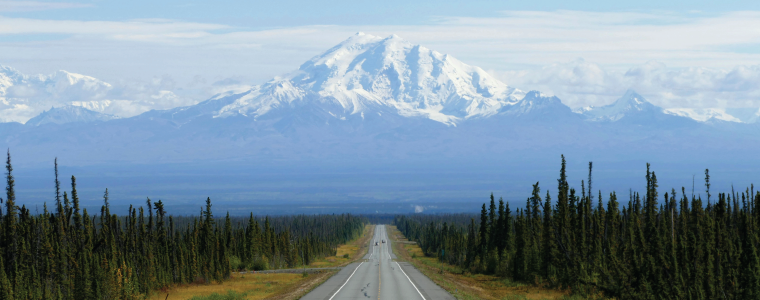
The journey typically follows the Alaska Highway through western Canada and can take several days depending on your starting point.
Before leaving, make sure you have:
- A valid passport
- Vehicle registration
- Proof of insurance
- Emergency supplies
- Spare tires
- A travel plan
Fuel stations can be far apart in some areas, so never allow your tank to get too low.
How Much Does It Cost to Move to Alaska?
The cost of moving to Alaska varies widely depending on your location and the size of your shipment.
Factors that affect moving costs include:
- Distance traveled
- Household size
- Vehicle shipping
- Container shipping
- Storage needs
- Seasonal demand
Most people moving from the West Coast spend less than families moving from the East Coast because transportation distances are shorter.
Requesting multiple quotes from experienced Alaska movers is the best way to estimate your total cost.
Preparing for Your First Alaska Winter
One of the most important parts of moving to Alaska is preparing for winter.
New residents should consider:
- Winter tires
- Vehicle emergency kits
- Insulated clothing
- Waterproof boots
- Home heating costs
- Snow removal equipment
The better prepared you are before winter arrives, the easier your transition will be.
Final Thoughts
Moving to Alaska can be one of the most exciting decisions you will ever make. With proper planning, a clear understanding of transportation regulations, and realistic expectations about life in the Last Frontier, your move can be a smooth and successful experience.
By researching what you can bring, understanding what must be left behind, and preparing for Alaska’s unique lifestyle, you will be ready to start your next chapter with confidence.